
Introduction
Let’s be honest — most businesses don’t plan their emails.
The “Send-When-You-Feel-Like-It” Email Problem.
Many businesses send emails without a real plan — random promotions, occasional updates, or newsletters sent only when something urgent comes up. The problem with this “send-when-you-feel-like-it” approach is that it leads to low engagement, higher unsubscribe rates, and wasted effort.
That’s where an email marketing strategy becomes powerful. Instead of guessing, you send the right message to the right audience at the right time — with a clear goal behind every email. A strategy helps you build relationships, improve conversions, and create consistent communication that actually drives sales.
This Guide Is Beginner-Friendly (No Jargon, No Stress)
And don’t worry — this guide is designed for beginners. You don’t need marketing experience, big words, or technical knowledge. By the end, you’ll understand email marketing strategy in simple and practical terms, and you’ll be able to start crafting one for your own business.
What Is an Email Marketing Strategy? (Definition)
An email marketing strategy is a clear, intentional plan for how a business uses email to communicate with its audience, build relationships, and drive measurable results — such as sales, sign-ups, or engagement. Instead of sending emails randomly, a strategy gives direction, timing, and purpose to every message you send.
The Real Goal of an Email Marketing Strategy
The main goal of an email marketing strategy is to guide people through a journey — from being strangers, to subscribers, to customers, and eventually to loyal repeat buyers. This is done by sending helpful, relevant, and timely emails that match where someone is in the buying process.
There’s a big difference between sending emails and having an email marketing strategy:
Sending emails is reactive:
You blast a message whenever you feel like it.
- No planning.
- No segmentation.
- No personalization.
Results are unpredictable.
Having an email marketing strategy is proactive:
When you create a plan
- → define goals
- → segment your audience
- → write targeted messages
- → schedule them for maximum impact
- → measure performance.
This leads to consistent engagement, better open rates, and higher revenue.
For businesses that want to grow — especially those seeking professional guidance — a strong email marketing strategy is not optional; it’s essential. And if you ever feel unsure about where to start, working with a specialist can make the entire process simpler and more effective. (This is exactly where an experienced email marketing consultant like me helps businesses build winning strategies that convert.)
Why Email Marketing Matters for Every Business
A strong email marketing strategy is one of the most valuable assets a business can have. In a world full of social media noise and constant competition, email remains one of the few direct, reliable, and controllable ways to communicate with your audience.
Unlike social platforms, email allows businesses to build long-term relationships, drive consistent engagement, and generate predictable revenue — regardless of algorithm changes.
1. High ROI: Why Email Marketing Delivers Real Returns On Investment.
Email marketing consistently delivers one of the highest returns on investment in digital marketing. Studies show that for every $1 spent, businesses can earn up to $36 in return.
This happens because email reaches people who have already shown interest in your business—meaning they are warmer, more engaged, and more likely to buy.
When Yorochim Apex builds an email marketing strategy for clients, we focus on optimizing:
- Open rates
- Click-through rates
- Conversions
So every email drives measurable results, not just impressions.
2. Building Trust-Based Relationships With Your Audience.
Unlike ads or social media posts, email allows you to communicate with your audience in a personal and respectful way over time.
With a strong email marketing strategy, subscribers begin to:
- Recognize your brand
- Trust your voice
- Look forward to your messages
- See you as a helpful resource—not just a salesperson
This trust is what turns subscribers into paying customers, then into repeat buyers, and eventually into brand advocates.
3. Direct Communication Without Algorithm Interference.
Social media algorithms control who sees your message, and even your best post may reach only 5–10% of your audience—if you’re lucky.
Email works differently.
If someone is on your list, your message goes straight to their inbox:
- No algorithm filtering
- No shadow reach
- No unpredictable visibility
That’s why businesses that rely only on Instagram, Facebook, or TikTok eventually hit a growth ceiling.
But a business with a solid email marketing strategy maintains direct access to its audience—even if social platforms disappear tomorrow.
4. Email Marketing Works for Both Big Brands and Small Businesses.
Email marketing is powerful because it scales effortlessly, regardless of business size.
It works for:
- Startups
- Ecommerce stores
- Service providers
- Local businesses
- Established enterprises
Big brands use email to automate sales at massive volume.
Small businesses use it to nurture leads and build personal, high-trust relationships.
At Yorochim Apex, we tailor every email marketing strategy to a business’s size, goals, and available resources — ensuring even small brands compete at a professional level.
Why This Matters.
A well-planned email marketing strategy ensures every email:
- Has a clear purpose
- Supports your business goals
- Drives real revenue growth
And for businesses that want expert guidance, working with the right Email Marketing Consultant ensures your campaigns deliver connection, direction, and conversion — not guesswork.
Key Components of an Effective Email Marketing Strategy.
A successful email marketing strategy isn’t built by accident — it’s built intentionally. Below are the essential building blocks, explained in a simple, beginner-friendly way so any business owner can follow along.
1. Goal Setting — Know Why You’re Sending Emails
Before sending any email, you must know why you’re sending it.
Common email marketing goals include:
- Getting more sales
- Driving traffic to your website
- Nurturing leads
- Improving brand awareness
- Re-engaging inactive subscribers
Clear goals shape the content, tone, and timing of your emails.
When Yorochim works with clients, we first identify business objectives — then design email flows that support those goals with measurable results.
2. Understanding Your Audience
Not every subscriber wants the same message. To build an effective email marketing strategy, you must ask:
- Who are they?
- What problem do they want solved?
- Where are they in the buying journey?
- Are they new leads, warm prospects, or loyal customers?
When you understand your audience, your email marketing strategy becomes more personalized and effective — because you speak directly to their needs and motivations.
3. Offering Lead Magnets to Attract Subscribers
A lead magnet is something valuable that encourages people to subscribe to your email list.
Common examples include:
- A free ebook
- Discount codes
- Product samples
- Checklists
- Exclusive tips
- Webinars or mini-courses
People won’t join your list just because you ask — they join because they receive value. Once they’re on your list, you can nurture them strategically through email.
4. Building a High-Quality Subscriber List
Your email list is the heart of your email marketing strategy.
The more targeted your list, the higher your conversions.
Effective list-building methods include:
- Signup forms on your website
- Exit-intent popups
- Social media opt-ins
- Dedicated landing pages
- Collaborations and lead swaps
- Post-purchase email capture
Remember: quality beats quantity.
A smaller, engaged list will outperform a large, uninterested one every time.
5. Choosing the Right Email Marketing Platform
You don’t need expensive tools to start — but you do need the right one for your business model.
Popular email platforms include:
- MailerLite
- Brevo (formerly Sendinblue)
- ConvertKit
- ActiveCampaign
- Sender.net
At Yorochim Apex, we help brands choose platforms that fit their industry, budget, and automation needs, ensuring the email marketing strategy can scale as the business grows.
6. Crafting Automated Email Sequences
A smart email marketing strategy relies on automation, not manual sending.
Common email sequences include:
- Welcome series (introduces your brand)
- Abandoned cart emails (recover lost sales)
- Product education series (explains your offers)
- Reactivation sequences (re-engage inactive subscribers)
- Upsell and cross-sell sequences (increase order value)
These sequences work 24/7 — building trust, educating subscribers, and converting leads into customers automatically.
7. Measuring Performance and Optimization
What gets measured gets improved.
Key email marketing metrics to track include:
- Open rate
- Click-through rate
- Unsubscribe rate
- Conversion rate
- Revenue per email
These metrics show what’s working — and what needs improvement.
When performance drops, adjustments are made to:
- Subject lines
- Sending times
- Audience segmentation
- Call-to-action wording
This is where an experienced Email Marketing Consultant adds massive value — not just sending emails, but analyzing patterns, testing variations, and optimizing campaigns for maximum ROI.
How These Components Work Together
A powerful email marketing strategy is built when all these elements align:
- Clear goals
- Deep audience understanding
- Strategic list growth
- Smart automation
- Continuous optimization
When done right, email marketing becomes a profit engine, not just a communication tool.
Strategy without execution fails in practice. That’s why we’ve documented the best email marketing strategies that still work in [year], showing how high-performing businesses plan, execute, and optimize their email systems.
Beginner-Friendly Examples of Strategic Email Campaigns
These real-life examples show how a well-structured email marketing strategy works in practice. Each type of email has a clear purpose and connects to a specific stage of the customer journey.
Welcome Email (First Impression & Trust Builder)
This is the first impression someone gets after joining your list.
A strong welcome email should:
- Thank them for subscribing
- Introduce your brand story
- Set expectations for future emails
- Offer a small incentive (discount, guide, or bonus)
Example (simple and human):
“Hey, thanks for signing up! Here’s your 10% discount — and a quick intro to who we are.”
A welcome email builds trust immediately and sets the tone for future communication.
Abandoned Cart Email (Revenue Recovery)
This email is triggered when someone adds items to their cart but doesn’t complete checkout.
It often says something like:
“You left something behind — here’s a quick link to finish your order.”
An abandoned cart email may include:
- Friendly reminders
- A sense of urgency
- A small incentive (free shipping, bonus, or 5% off)
This single email sequence can recover 8–12% of lost revenue, which is why every serious email marketing strategy includes it.
Product Launch Email (Excitement & Conversion Driver)
When you release something new — a product, service, or update — a launch email builds excitement and urgency.
It typically includes:
- Introduction of the new product
- The main benefit
- Why the audience should care
- An early-bird or launch offer
Example:
“We’re excited to introduce our new skincare serum — designed to give glowing skin in just two weeks!”
This type of email generates buzz, anticipation, and fast conversions.
Post-Purchase Follow-Up Email (Retention & Loyalty Builder)
This is one of the most important — and most ignored — email types.
A good follow-up email may include:
- A thank-you message
- Clear usage instructions
- Helpful tips
- Cross-sell or upsell suggestions
- Review or feedback requests
Example:
“Thanks for your purchase! Here’s how to use your product for the best results.”
Post-purchase emails strengthen brand loyalty and increase lifetime customer value — a key advantage of a strong email marketing strategy.
Re-Engagement Email (List Health & Deliverability)
Over time, some subscribers go quiet. They stop opening emails — but that doesn’t mean they’re gone forever.
A re-engagement email might say:
“We miss you — still interested in hearing from us?”
Or:
“Click here to stay subscribed.”
These emails help revive dormant subscribers and clean your list by removing unresponsive contacts, which improves overall deliverability.
Why These Campaigns Matter
When executed correctly, these campaigns don’t just send information — they guide the subscriber journey. That’s the difference between random emailing and a purposeful email marketing strategy.
At Yorochim, these automated campaigns are professionally built, customized, and optimized for each business we work with. If your goal is higher conversions and stronger customer relationships, this is where working with an experienced Email Marketing Consultant turns average emails into revenue-generating assets.
Real-Life Example Scenario (Beginner Lens)
To make the concept of an email marketing strategy easier to understand, let’s look at a real-life, beginner-friendly example.
Imagine a small skincare brand called GlowSkin that wants to turn new website visitors into loyal customers. Here’s how a well-planned email marketing strategy makes that happen step by step.
How GlowSkin Attracts Email Subscribers
GlowSkin starts by offering a lead magnet — a free “7-Day Skincare Routine Guide” — in exchange for email addresses.
They promote this guide through:
- Website pop-ups
- A signup form at checkout
- Links in social media posts
Because visitors receive something valuable upfront, they willingly subscribe. This is the first stage of an effective email marketing strategy: capturing interested leads before trying to sell anything.
How GlowSkin Nurtures New Subscribers
Once someone joins the list, GlowSkin activates an automated welcome email sequence:
- Email 1: A warm welcome that introduces the brand and its values
- Email 2: Educational content, including skincare tips and product usage guides
- Email 3: Social proof, such as customer testimonials, reviews, and before-and-after photos
The goal at this stage is relationship-building. By consistently delivering value, GlowSkin earns trust. Each email is intentionally designed to move the subscriber closer to a purchase — a core principle of any strong email marketing strategy.
How GlowSkin Converts Subscribers into Customers
After nurturing trust, GlowSkin sends a conversion-focused email that includes:
- Personalized product recommendations based on subscriber preferences
- A limited-time discount or bundle offer
- A clear and compelling call-to-action
This approach guides subscribers from curiosity to purchase without pressure. Over time, repeat sales are encouraged through:
- Post-purchase follow-up emails
- Loyalty program invitations
- Ongoing educational content to keep subscribers engaged
At Yorochim Apex, we help brands like GlowSkin design these email sequences so every subscriber is treated as a potential loyal customer. A beginner-friendly email marketing strategy like this ensures your emails are never random — every message has a purpose, builds trust, and drives results.
Mistakes Beginners Make With Email Marketing
Common Errors That Hurt Email Marketing Results
Even though email marketing is one of the most effective ways to grow a business, beginners often fall into common traps that prevent their campaigns from performing.
Avoiding these mistakes is crucial for building a strong email marketing strategy that drives results.
At Yorochim Apex, we see these mistakes frequently — and we help businesses fix them to achieve higher engagement, better deliverability, and increased revenue.
1. Buying Email Lists
One of the most common beginner mistakes is purchasing email lists. It may seem like a shortcut to grow your audience, but it comes with serious risks:
- Low engagement and open rates
- Increased spam complaints
- Damage to your sender’s reputation
- Potential violations of email regulations like GDPR
A healthy email marketing strategy always focuses on building your list organically — attracting people who genuinely want to hear from you.
Yorochim Apex helps clients implement lead magnets, signup forms, and ethical list-building tactics that attract high-quality, engaged subscribers.
2. Only Sending Promotional Messages
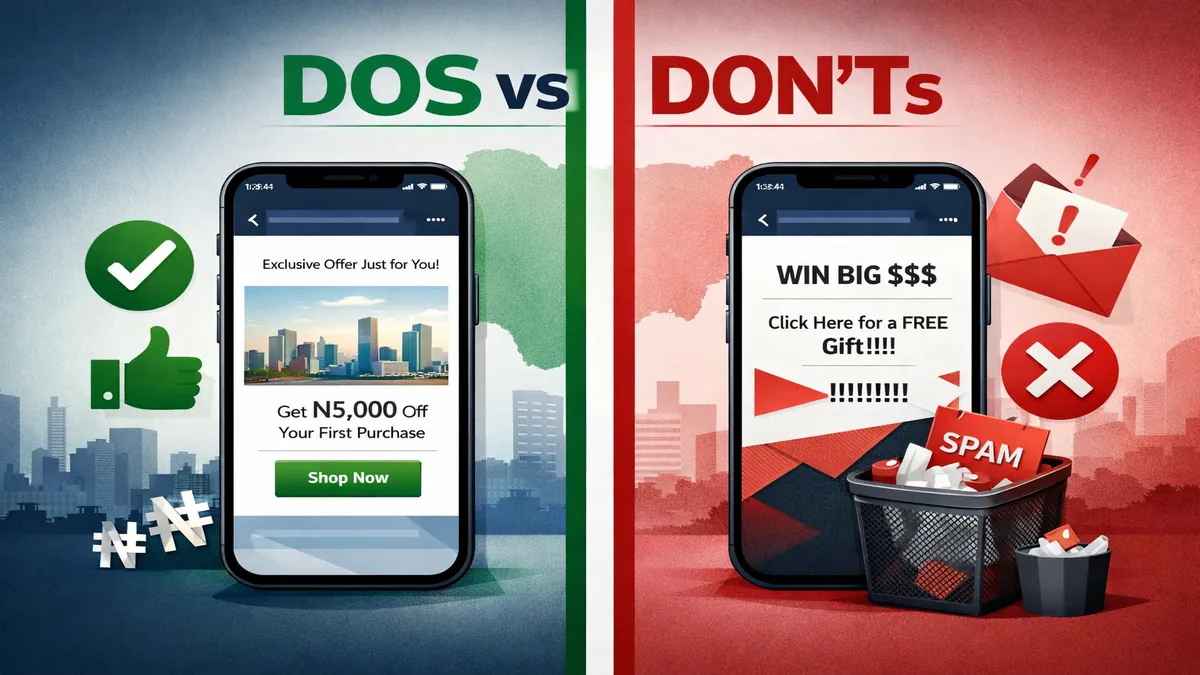
Many beginners assume email is just a sales channel. They send constant promotions, discounts, or offers — and end up annoying subscribers.
A strong email marketing strategy balances promotion with value. Your emails should:
- Educate and inform
- Solve real problems
- Build trust
- Entertain or inspire
At Yorochim Apex, we design campaigns that nurture subscribers first and sell second. This approach keeps your audience engaged, reduces unsubscribes, and builds long-term loyalty.
3. Not Segmenting Your Audience
Treating all subscribers the same is a costly mistake. People are at different stages of the buying journey and have different needs. Sending the same email to everyone reduces relevance and lowers conversions.
Segmentation is a core part of a successful email marketing strategy. You can segment by:
- New subscribers vs. loyal customers
- Location or demographics
- Purchase history
- Engagement behavior
Yorochim Apex helps businesses segment their lists strategically so messages feel personal, relevant, and conversion-focused.
4. Inconsistent Sending
Randomly sending emails only when you “feel like it” can confuse or frustrate subscribers. Over time, they may forget your brand — or unsubscribe altogether.
A structured email marketing strategy establishes a predictable sending schedule, which keeps your audience expecting and opening your emails. Whether it’s weekly newsletters, bi-weekly updates, or automated sequences, consistency plays a major role in long-term success.
5. Not Analyzing Results
Many beginners send emails without tracking performance. Doing this is like driving blindfolded — you don’t know what’s working or what’s hurting your results.
A professional email marketing strategy relies on data. Key metrics we analyze at Yorochim Apex include:
- Subject line performance
- Email content and design
- Sending time and frequency
- Audience segmentation
By reviewing and optimizing these elements, campaigns continuously improve — leading to higher engagement, better conversions, and stronger ROI.
Why Avoiding These Mistakes Matters
Avoiding these five mistakes can dramatically improve the effectiveness of your email marketing. And for businesses that want to get it right from the start, partnering with an experienced Email Marketing Consultant like Yorochim Apex ensures your strategy is professional, results-driven, and built for sustainable growth.
Tools Beginners Can Use for Email Marketing
When starting your email marketing strategy, choosing the right tools can make the difference between confusion and real results. The good news? You don’t need complicated or expensive software to run effective campaigns.
Below is a beginner‑friendly guide to the best email marketing tools, along with how Yorochim Apex can help you get the most value from each one.
1. MailerLite
Why MailerLite Is Great for Beginners
MailerLite is ideal for small businesses and first‑time marketers who want simplicity without sacrificing professionalism. Its intuitive drag‑and‑drop editor allows you to create beautiful emails without any technical skills.
Key Features
- Easy‑to‑build email campaigns
- Basic automation for welcome emails, abandoned carts, and newsletters
- Free plan for up to 1,000 subscribers
How Yorochim Apex Can Help
Even with MailerLite’s simplicity, many beginners struggle to create automation sequences that actually convert. As your email marketing consultant, Yorochim Apex designs complete workflows that nurture leads and drive sales effortlessly.
2. Brevo (Formerly Sendinblue)
Why Brevo Is Beginner‑Friendly
Brevo combines email and SMS marketing into one platform. For beginners, this makes it easy to centralize communication and launch a professional email marketing strategy without juggling multiple tools.
Key Features
- Drag‑and‑drop email editor
- Advanced automation workflows for customer journeys
- Real‑time reporting on open rates and clicks
- Free plan for up to 300 emails per day
How Yorochim Apex Can Help
We build high‑converting campaigns inside Brevo by segmenting your audience and mapping customer journeys. This ensures your email marketing strategy delivers strong engagement from day one.
3. FluentCRM + Amazon SES
Why This Combo Works for Beginners
FluentCRM is a WordPress‑based email marketing plugin that integrates seamlessly with your website. When paired with Amazon SES, it becomes a powerful and cost‑effective solution for executing a professional email marketing strategy.
Key Features
- Contact management directly inside WordPress
- Automated follow‑ups, welcome series, and promotions
- WooCommerce integration for e‑commerce businesses
- Low‑cost email delivery through Amazon SES
How Yorochim Apex Can Help
Setup and configuration can be intimidating for beginners. Yorochim Apex handles the technical setup, automation design, and performance tracking so your campaigns don’t just run—they convert.
4. MailPoet
Why MailPoet Is Easy to Use
MailPoet is another WordPress plugin that lets you manage email campaigns directly from your dashboard. It’s perfect for beginners who want a simple, intuitive way to build and manage their email marketing strategy.
Key Features
- Drag‑and‑drop email editor
- Automated emails for new subscribers and blog post notifications
- Subscriber management and segmentation
- Free plan for small email lists
How Yorochim Apex Can Help
Many beginners send emails that fail to engage or convert. We optimize your templates, segment your audience, and implement strategic workflows so every email supports long‑term business growth.
Why Choosing the Right Email Marketing Tool Matters
A successful email marketing strategy isn’t just about the tool—it’s about how you use it. Many beginners choose a platform but never set up automation, segmentation, or performance tracking.
That’s where Yorochim Apex stands out. We help you:
- Choose the right platform for your business
- Build conversion‑focused automation workflows
- Analyze results and continuously optimize performance
The result? An email marketing strategy that drives sales, builds customer loyalty, and scales with your business.
How to Start Building Your Email Marketing Strategy Today
Creating an email marketing strategy may feel overwhelming at first, but starting small with a clear roadmap can make the process simple and effective. At Yorochim Apex, we help businesses craft strategies that convert—but even beginners can get started with the right steps.
Below is a practical, beginner-friendly guide to help you launch your email marketing strategy with confidence.
Step-by-Step Starter Checklist for Your Email Marketing Strategy
Use this checklist to build a solid foundation for your first email marketing strategy.
1. Define Your Email Marketing Goals
Before sending a single email, clarify what you want to achieve.
Ask yourself:
- Do you want to increase sales?
- Nurture leads?
- Improve audience engagement?
Example goals:
- Grow your email list by 20% in 3 months
- Increase product launch revenue by 15%
Clear goals provide direction and measurable success benchmarks.
2. Identify and Understand Your Target Audience
Knowing your audience ensures your emails are relevant and personalized.
Key factors to define:
- Age and location
- Interests and preferences
- Pain points and buying behavior
Creating a simple audience persona helps tailor your messaging and boosts engagement.
3. Choose the Right Email Marketing Platform
Begin with beginner-friendly tools such as:
- MailerLite
- Brevo
- MailPoet
These platforms support automation, segmentation, and performance tracking. At Yorochim Apex, we help clients select tools that align with their business size and growth goals.
4. Create a Lead Magnet or Signup Incentive
Encourage subscriptions by offering value, such as:
- Free guides or checklists
- Discount codes
- Webinars or exclusive resources
A strong incentive helps grow your email list organically and consistently.
5. Segment Your Email List from Day One
Segmentation allows you to send more relevant content.
Segment based on:
- Interests
- Purchase history
- Engagement level
Well-segmented lists lead to higher open rates, click-through rates, and conversions.
6. Plan Your Email Content and Campaign Sequences
Start with essential email campaigns, including:
- Welcome email series
- Product or service announcements
- Abandoned cart emails
- Re-engagement campaigns
Focus on delivering value before introducing promotions.
7. Track, Analyze, and Optimize Performance
Monitor key metrics such as:
- Open rates
- Click-through rates
- Conversions
Test subject lines, email designs, and send times regularly. Continuous optimization ensures long-term success.
Recommended Starting Workflow for Email Marketing Beginners
Once your foundation is set, follow this simple workflow.
Plan Your First Three Emails
- Email 1: Welcome and brand introduction
- Email 2: Educational or value-driven content
- Email 3: Soft promotion or offer
Set Up Email Automation
Use triggers such as:
- New subscriber signups
- Purchases
- Abandoned carts
Automation saves time and improves consistency.
Monitor Performance Weekly
Review:
- Open and click rates
- Unsubscribes
Make small adjustments to improve engagement over time.
Engage and Respond to Subscribers
Reply to questions and feedback. Personal interaction builds trust and strengthens relationships.
Execution Roadmap: From Zero to a Strong Email Marketing Strategy
| Step | Action | Timeline |
|---|---|---|
| 1 | Define goals and target audience | Day 1–2 |
| 2 | Choose an email platform | Day 3 |
| 3 | Launch the first campaign and track metrics | Day 4–7 |
| 4 | Build a segmented email list | Week 2 |
| 5 | Design welcome and value emails | Week 2–3 |
| 6 | Set up automation and sequences | Week 3–4 |
| 7 | Launch first campaign and track metrics | Week 4 |
| 8 | Optimize and scale | Month 2 onward |
This roadmap helps beginners move from having no strategy to running a structured, results-driven email marketing system.
Why Hiring a Professional Email Marketing Team Accelerates Results
While DIY email marketing is possible, working with experts like Yorochim Apex delivers faster and more sustainable outcomes:
- Faster list growth
- Higher engagement and ROI
- Advanced segmentation and automation
- Custom strategies aligned with your business goals
A well-executed email marketing strategy saves time and ensures every email contributes to measurable business growth.
Frequently Asked Questions (FAQs) About Email Marketing Strategy
If you’re just starting your email marketing journey, it’s completely normal to have questions. Below are the most common beginner-focused questions we receive at Yorochim Apex, answered clearly to help you build a strong and effective email marketing strategy.
What Is an Email Marketing Strategy (In Simple Words)?
An email marketing strategy is a clear plan that outlines how your business uses email to connect with your audience, nurture leads, and drive sales.
Instead of sending random messages, a strategy ensures that every email has a purpose—whether it’s welcoming new subscribers, promoting products, or keeping customers engaged.
How Often Should I Email My Audience?
Your email frequency depends on your audience and overall strategy. For beginners, a safe starting point is:
1–2 emails per week
Ensure every email provides value (tips, updates, or offers)
Avoid overwhelming subscribers—quality beats quantity
Our Yorochim Apex team customizes email frequency based on your business goals to maximize engagement and conversions.
Do I Need a Big Email List to Start?
No. One of the biggest advantages of email marketing is that even a small list can generate powerful results when paired with a smart strategy.
Focus on attracting high-quality subscribers
Include steady list-growth tactics in your strategy
100 engaged subscribers can outperform 1,000 unengaged ones
At Yorochim Apex, we help businesses of all sizes turn small email lists into reliable revenue streams.
Is Email Marketing Better Than Social Media?
It depends on your goals—but in most cases, a well-crafted email marketing strategy delivers a higher ROI than social media.
Emails land directly in your subscribers’ inboxes
You control visibility—no algorithms involved
Personalization is easier, leading to higher engagement and sales
Many Yorochim Apex clients consistently see stronger conversions from email campaigns than from social media alone.
What Types of Emails Should I Send First?
If you’re just getting started, focus on these three essential email types:
Welcome Emails – Introduce your brand and set expectations
Educational or Value Emails – Share tips, insights, or tutorials
Promotional Emails – Announce offers, launches, or discounts (used sparingly)
Our team designs email sequences that smoothly guide subscribers from first contact to loyal customer.
How Long Should My Emails Be?
Emails should be clear, concise, and action-oriented. A beginner-friendly guideline is:
150–250 words per email
Use short paragraphs and bullet points
Include a clear call-to-action (CTA)
How Do I Know If My Email Strategy Is Working?
A strong email marketing strategy tracks performance using key metrics such as:
Open Rate – Are people opening your emails?
Click-Through Rate (CTR) – Are they engaging with your content?
Conversion Rate – Are emails driving sales or actions?
Unsubscribe Rate – Are subscribers dropping off?
Conclusion
Email Marketing Strategy: Your Business Superpower
Implementing a well-thought-out email marketing strategy can transform the way your business communicates with customers. It’s not just about sending emails—it’s about building relationships, nurturing leads, and driving consistent revenue. Businesses that leverage a strategic approach to email marketing consistently see higher engagement, stronger customer loyalty, and measurable growth.
At Yorochim Apex, we’ve helped numerous clients—from small startups to established brands—unlock the true potential of their email campaigns. A clear email marketing strategy ensures every message you send serves a purpose and moves your audience closer to becoming loyal customers.
Start Small and Grow Strategically
You don’t need a huge email list to get started. Begin with simple campaigns like a welcome email or a post-purchase follow-up. Track performance, learn what resonates with your audience, and gradually scale your efforts. Over time, even small, consistent actions compound into substantial results.
As a best email marketing consultant, Yorochim emphasizes actionable strategies that are easy for beginners yet scalable for growing businesses. Starting small ensures that your campaigns are manageable, measurable, and effective from day one.