
email remains one of the most effective ways to connect with your audience. However, even the most well-crafted email can go unnoticed if its subject line doesn’t catch the reader’s attention. The subject line is your first—and sometimes only—chance to make a lasting impression. This guide will take you through The Ultimate Guide to Crafting Click-Worthy Email Subject Lines, providing expert tips and practical advice to improve your email marketing strategy.
Why Email Subject Lines Matter
The subject line is the first thing your audience sees. It’s your one chance to make a positive impression and entice them to open your email. With crowded inboxes, standing out requires strategic thinking and an understanding of your audience. This guide will equip you with everything you need to craft subject lines that capture attention and compel action.
What You’ll Learn:
- How to create irresistible email subject lines
- Tips and tricks used by email marketing experts
- Common mistakes to avoid when writing subject line
Step-by-Step Guide to Crafting Effective Email Subject Lines
1. Understand Your Audience
Before you start writing, know who you’re writing for. An Email Subject Lines that works for one audience might not work for another. Research your audience’s preferences, demographics, and pain points. When your subject line speaks directly to their needs or interests, your chances of success skyrocket.
2. Keep it Short and Sweet
Your subject line should be clear, concise, and direct. Long subject lines get cut off in most inboxes, especially on mobile devices. Aim for 50 characters or less to ensure your full message is visible.
Example:
- Good: “New Ways to Boost Your Savings Today”
- Too Long: “Here’s How You Can Easily Save More Money with These 10 Simple Steps”
3. The Psychology of Email Subject Lines
The most effective Email Subject Lines tap into human psychology. Cognitive biases like FOMO (Fear of Missing Out), curiosity, and urgency can drive people to click. Subject lines that evoke an emotional response, whether it’s excitement, curiosity, or urgency, are more likely to get opened. Incorporating emotional triggers while maintaining a professional tone can help you strike the right balance.
4. Use Actionable Language
Encourage your reader to take action by using strong verbs and actionable language. Make it clear what they will gain by opening your email.
Actionable words include:
- Discover
- Uncover
- Learn
- Get
- Start
Example:
- “Get 50% Off Today Only” vs. “Discount Available for a Limited Time”
5. Create a Sense of Urgency
Nothing motivates action like a ticking clock. Phrases like “limited time offer,” “act now,” or “only a few spots left” can encourage immediate engagement. However, use urgency sparingly and avoid overusing this tactic, as it may lose its effectiveness.
Example:
- “Only 24 Hours Left to Save Big”
6. Personalize Where Possible
Email Subject Lines that feel personal are more likely to be opened. Use your audience’s name or reference their past behavior to create a sense of connection.
Examples of personalization:
- “John, Here’s Your Exclusive Offer”
- “Based on Your Recent Purchase, We Think You’ll Love This”
7. Leverage Curiosity
Curiosity can be a powerful motivator. Leave just enough unsaid to make the recipient want to know more.
Example:
- “You Won’t Believe This Secret to Perfect Skin”
- “We Found a Solution to Your Problem—Find Out What It Is”
8. Using Emojis and Symbols Effectively
Emojis can add a visual element to your Subject Lines, making them stand out in a crowded inbox. However, they should be used sparingly and strategically. For example, using a fire emoji to indicate a hot deal or a clock emoji to create urgency can be effective, but overuse can appear unprofessional.
9. Test and Optimize
Even the best subject lines may not perform well if they don’t resonate with your specific audience. A/B testing allows you to experiment with different versions of your subject line to find out what works best.
What to test:
- Length
- Use of emojis
- Personalization
- Phrasing (questions vs. statements)
10. Use Power Words
Power words are emotionally charged words that spark curiosity, excitement, or urgency in your readers. Words like “exclusive,” “secret,” “limited,” or “guaranteed” are often used in high-performing subject lines.
Examples of power words:
- “Exclusive Offer Inside!”
- “Unlock the Secret to Better Marketing”
11. Be Clear and Honest
While it’s tempting to use clickbait or exaggerated claims to entice readers, it’s crucial to keep your subject lines honest and aligned with the email content. If your subject line promises one thing and the email delivers something else, you risk losing your audience’s trust.
Example of clear and honest subject lines:
- “Your Exclusive Discount Inside”
- “Join Us for a Free Webinar on Email Marketing Best Practices”
12. Tailor to Mobile Devices
With a large percentage of emails being opened on mobile devices, it’s vital to optimize your subject lines for smaller screens. Shorter subject lines work better on mobile since they won’t get cut off. Also, make sure that your preview text (the snippet of text shown alongside the subject line) complements your subject and adds to the appeal.
13. Incorporate FOMO (Fear of Missing Out)
FOMO is a powerful psychological trigger that can drive people to act quickly. Phrases like “last chance,” “don’t miss out,” or “only a few spots left” can create a sense of urgency that encourages readers to open your email immediately.
Example of FOMO-driven subject lines:
- “Last Chance to Save 50%!”
- “Only 5 Seats Left – Register Now!”
14. Make the Most of Preheader Text
Preheader text, also known as the email preview, is the text that appears next to the subject line in most inboxes. Think of it as a second chance to grab attention. Make sure your preheader text complements your subject line and provides additional reasons to open the email.
Example of subject line and preheader text:
- Subject: “Unlock Your Free Guide to Boost Open Rates”
- Preheader: “Discover insider tips to skyrocket your email engagement.”
Optimizing for Different Email Platforms
Each email platform has its quirks, and what works on one might not work as well on another. It’s important to keep the platform’s limitations and strengths in mind when crafting your subject lines.
1. Gmail
Gmail users tend to see only the first 30-40 characters of a subject line, making it important to front-load key information. Gmail also uses tabs (Primary, Promotions, Social), so ensuring your subject line is relevant and not too “salesy” can help it land in the Primary tab.
2. Outlook
Outlook shows about 50 characters in the subject line, which is slightly more generous than Gmail. Keep in mind that corporate users often have Outlook, so subject lines targeting this audience may benefit from being more formal.
3. Apple Mail
Apple Mail tends to offer more space for subject lines, particularly on desktops, but with the rise of mobile users, keeping subject lines short is still important.
4. Mobile Email Apps
Given that over 50% of emails are opened on mobile, subject lines should be optimized for small screens. Testing your email on a variety of devices ensures your subject line displays correctly and remains enticing.
Advanced Strategies for Crafting Click-Worthy Subject Lines
1. Segmentation and Targeting
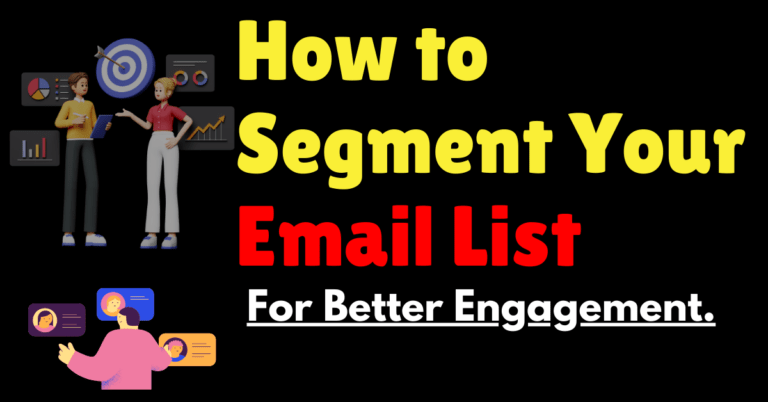
Segmenting your email list allows you to send more targeted and personalized subject lines. By sending specific messages to different segments of your audience, you can increase the relevance of your subject lines and improve open rates.
For example, you can create segments based on:
- Purchase history
- Location
- Engagement level
- Demographics (age, gender, etc.)
Example:
- Segment: New Customers
- Subject Line: “Welcome to the Family! Here’s 20% Off Your First Purchase”
- Segment: VIP Customers
- Subject Line: “Because You’re a VIP: Get Early Access to Our Sale”
2. Dynamic Subject Lines
Dynamic content allows you to tailor your subject line to individual recipients. This can include using their name, location, or even dynamically inserting a product they previously viewed.
Example of dynamic subject lines:
- “Hey [Name], Your Exclusive Offer Awaits!”
- “Don’t Miss Out on [Product] in [Location]!”
3. Behavioral Triggers
Trigger-based emails are sent based on user behavior, and their subject lines are often highly personalized. These emails can be triggered by actions like abandoned carts, purchase anniversaries, or even inactivity.
Example:
- “Did You Forget Something? Complete Your Purchase Now”
- “We Miss You! Here’s 10% Off to Come Back”
The Importance of Consistent Testing
The effectiveness of subject lines is often subjective, and what works for one campaign might not work for another. Consistent testing is key to refining your approach. Here are a few testing strategies to help improve your results:
1. A/B Testing
A/B testing, or split testing, involves sending two different subject lines to a small portion of your audience to see which one performs better. Once you have a winner, send it to the rest of your list.
2. Multivariate Testing
While A/B testing compares two subject lines, multivariate testing allows you to test multiple variations simultaneously. This can provide more insights but requires a larger audience size.
3. Reviewing Analytics
Pay attention to your email analytics. Key metrics like open rates, click-through rates, and conversions will help you determine which subject lines resonate best with your audience.
Expert Tips and Pro Tricks
1. Use Numbers
Numbers are a great way to provide clarity and set expectations. Whether it’s a percentage discount, the number of steps, or the duration of a promotion, including a number adds specificity.
Example:
- “5 Tips to Increase Your Open Rates”
- “Save 30% This Weekend Only”
2. Ask Questions
Questions can spark curiosity and lead to higher open rates by inviting readers to find the answer inside your email.
Example:
- “Are You Making These Common Marketing Mistakes?”
- “Do You Know the Best Time to Send Emails?”
3. Avoid Spammy Words
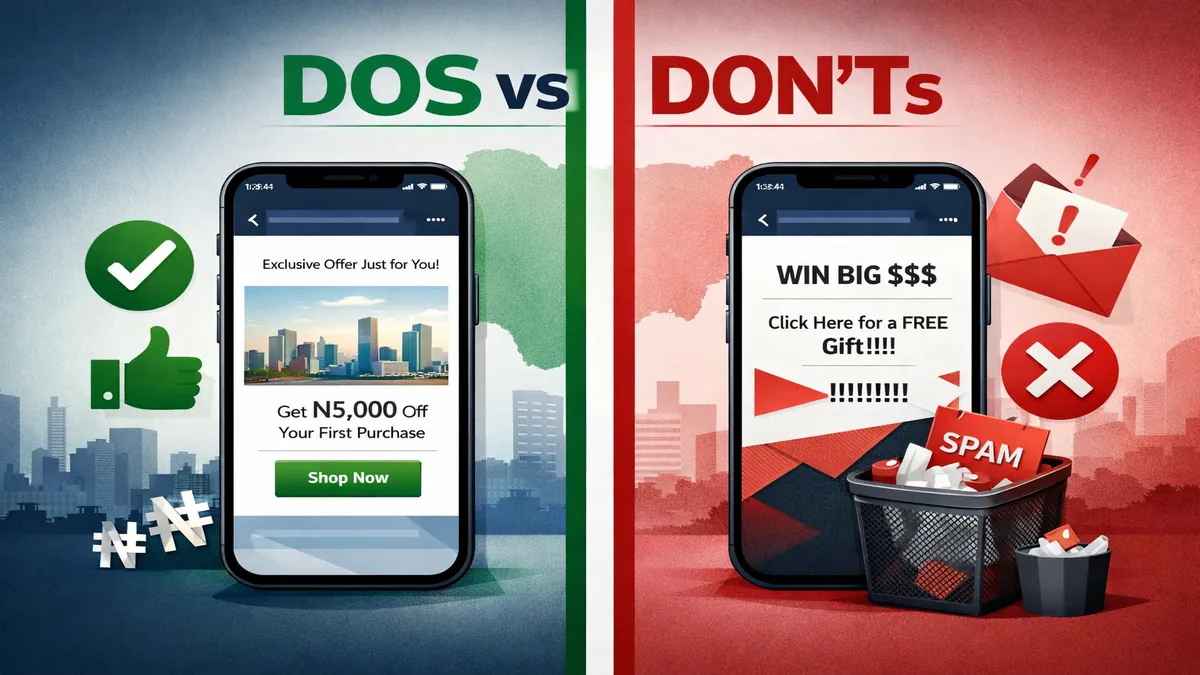
Certain words or phrases can trigger spam filters, which means your email never reaches the recipient’s inbox. Stay away from words like “free,” “money-back guarantee,” or excessive use of exclamation points.
Pro Tip: Always review your subject line in a spam filter tool to ensure your email gets delivered.
Common Mistakes to Avoid
- Over-promising – Don’t promise something in the subject line that isn’t delivered in the email.
- Clickbait – Misleading subject lines can hurt your brand reputation. Be honest about what’s inside.
- Overuse of Emojis – Emojis can be effective, but overusing them makes your email look unprofessional.
Key Takeaways
Creating click-worthy email subject lines is both an art and a science. By knowing your audience, keeping it concise, and leveraging curiosity or urgency, you can significantly increase your email engagement. Don’t forget to personalize where possible and continuously test and optimize for best results.
For more insights on how to improve your email subject lines, check out HubSpot’s Guide to Writing Compelling Email Subject Lines. or Mailfloss guide on How to Write Effective Subject Lines
FAQs
How long should an email subject line be?
Ideally, keep your subject line under 50 characters to ensure visibility across devices.
Can I use emojis in my subject line?
Yes, but use them sparingly. One well-placed emoji can enhance your message, while too many can look unprofessional.
How often should I test my email subject lines?
Regularly! Every campaign provides an opportunity to learn what resonates with your audience.
What’s the best way to avoid spam filters?
Avoid using spammy words like “free” and ensure your email complies with anti-spam regulations.
How can I personalize my subject lines?
You can personalize by using the recipient’s name, mentioning their past behavior, or recommending products based on their preferences
What are some common spam trigger words to avoid?
Words like “free”, “guaranteed”, and “act now” can trigger spam filters. Use them sparingly and with caution.
How can I avoid being marked as spam?
Avoid using spammy language, excessive punctuation, and misleading subject lines. Make sure your emails provide value and are relevant to the recipient.
Call to Action
Now that you’re equipped with the knowledge to create compelling email subject lines, it’s time to put these tips into action. Start crafting your subject lines today, and watch your email engagement soar. Be sure to share your results or any tips you’ve discovered along the way in the comments below!